


Glossary
Search our glossary for full explanations of the door and flooring terms you will find across our site.
Internal Door Terms
Architrave
The architrave acts as a moulding that encircles a door frame, often linking with nearby skirting or other mouldings. Architraves are typically available in extended lengths that can be easily tailored to fit various standard sizes, making it a versatile solution to accommodate most door frames.
Aperture
The aperture or gap in a door, is designed to accommodate a glass panel. It is intentionally left vacant, allowing the owner to choose and customise the glazing according to their personal preferences.
Beading
Beading serves the purpose of securing the glazing in a door, typically found on both sides of the door’s aperture. The beading is not only functional but also adds a decorative element that complement the door’s style. When necessary, the beading can be taken off to facilitate glass replacement or removal. For external doors, the beading may be present on both sides, but a lipping is added to ensure that the glazing can only be accessed from the interior, providing enhanced security against burglars or intruders.
Bi-fold Doors
Often known as bi-folding doors or simply bi-folds, these unique doors are crafted to smoothly slide open or shut, with their panels folding and stacking against the frame as they move. This ingenious design enables them to create a wide opening, making them ideal for use in tight spaces where a traditional swinging door would require excessive clearance to open and close.
Butt Hinges
A butt hinge is a type of mechanical hinge commonly used in doors and cabinets, where two flat surfaces need to pivot or rotate. It consists of two rectangular metal plates, one attached to the edge of the door or cabinet, and the other to the frame or surface it is mounted on. These plates are connected by a pin or rod, allowing the door or cabinet to swing smoothly open and closed. Butt hinges are known for their durability and simplicity, making them a popular choice for domestic homes.
Composite Doors
Composite doors are a type of entry door made from a combination of materials, typically including a solid timber core, reinforced with layers of fibreglass or uPVC (unplasticised polyvinyl chloride). Composite doors are engineered to offer superior strength, durability, and insulative properties compared to traditional single-material doors. They are often designed to mimic the appearance of natural wood, while providing enhanced resistance to weather, rot, and other environmental factors. Composite doors have become a popular choice for homeowners seeking a low-maintenance, energy-efficient, and aesthetically pleasing option for the entrance to their home.
Core
A core door, is a type of interior door constructed with a solid, dense material at its core. This core is typically made from wood particles, particleboard, or composite materials, surrounded by a thin veneer or laminate layer on both sides. Core doors offer better sound insulation and durability compared to hollow core doors, making them a popular choice for bedrooms, bathrooms, and other interior spaces where privacy and sturdiness are desired.
Cylinder
A cylinder in a door refers to the cylindrical-shaped mechanism that houses the locking components of a door’s locking system. It is typically inserted into the door and connected to the door handle or knob. The cylinder contains the keyway where the key is inserted to engage or disengage the lock. When the correct key is used, the cylinder allows the door to be locked or unlocked, providing security and control over access to the space protected by the door. Cylinder locks are commonly found in various types of doors, such as front doors, office doors, and interior doors.
Deadbolt
A deadbolt is a type of locking mechanism commonly used in doors to provide enhanced security. It is a sturdy, single-bolt lock that extends from the door into the door frame when engaged. Unlike spring-operated locks, deadbolts are manually operated and require a key or thumb-turn to lock or unlock the door. This design makes deadbolts more resistant to forced entry, making them a popular choice for exterior doors in homes, where increased protection against intruders is desired.
Door Panel
A door panel is the central and typically flat section of a door, situated between the door frame and any surrounding mouldings or trim. It is the visible surface that faces the interior of a room or the exterior of a building when the door is closed.
Door Stop
A door stop is a small device installed on the floor or wall near the bottom of a door to prevent it from swinging too far and hitting the adjacent wall or furniture. It acts as a buffer, absorbing the impact and protecting both the door and the surrounding surfaces from damage. Door stops come in various forms, such as spring-loaded, magnetic, or fixed, and they can be made of materials like rubber, metal, or plastic. They are commonly used in domestic homes to maintain the door’s position and minimise potential wear and tear caused by repeated door movements.
Dowelled
“Dowelled” means joining pieces of wood together using small, round wooden pins called dowels. Dowels fit into holes drilled in wood, creating a strong connection without using screws or nails. It’s commonly used in furniture and woodworking to make things sturdy without compromising on the overall look.
Engineered
Doors with engineered components are built using timbers made from small pieces of wood glued together and covered with a veneer. Engineered timbers have improved properties and are a more environmentally sustainable option compared to solid wood.
Escutcheon
An escutcheon is a decorative and protective plate or shield, typically made of metal, that surrounds a keyhole or door knob on a door. It serves to enhance the appearance of the door and covers any imperfections or gaps around the locking mechanism. Escutcheons come in various designs and shapes, adding a touch of elegance and style to the overall door aesthetics. Apart from their decorative purpose, they also help prevent wear and tear around the keyhole or knob area, limiting wear and tear on the door over time.
Internal Doors
Internal doors, also known as interior doors, are doors designed for use within the interior spaces of a building. They serve as partitions between rooms or areas inside a buildings structure. Internal doors are used to create privacy, separate living spaces, and control the flow of movement within a building. Our custom internal doors come in various styles, materials, and sizes, catering to different design preferences and functional needs within a building.
Faceplate
A faceplate is a solid metal or plated plate that sits flush within the edge of a door panel. When the door is shut, the latch of a passage lock or deadbolt extends through the faceplate, securing the door in place.
Floor Clearance
Floor clearance refers to the vertical space between the bottom of the door and the floor surface when the door is in a closed position. It is the distance that allows the door to swing open and closed without rubbing or dragging on the floor. Adequate floor clearance is important to ensure smooth and unobstructed movement of the door, preventing wear and tear on both the door and the floor.
Flushbolt
A flushbolt is a type of door bolt or locking mechanism that is installed flush with the surface of a door. It is typically used on double doors, such as French doors or closet doors, where one door is inactive most of the time and needs to be securely held in place when not in use. The flushbolt is usually installed on the edge of the inactive door and extends into a strike plate or hole on the door frame or floor when engaged.
Finished Doors
Finished doors are fully completed and ready-to-use doors that have undergone all necessary treatments, coatings, and enhancements to achieve their final appearance and functionality. Finished doors are treated with finishes such as paint, stain, or varnish, providing protection against wear, moisture, and other environmental factors while enhancing their aesthetic appeal. Finished doors are delivered in a state where they can be immediately installed, requiring no further treatments or modifications before being used as an operational element within a building.
Fire Doors
Fire doors are specialised doors designed to resist the spread of fire and smoke within a building. They are constructed using fire-resistant materials and have been tested and certified to meet specific fire safety standards. Fire doors play a crucial role in compartmentalising fire and providing safe escape routes for occupants during emergencies. When closed, they form a barrier that helps contain the fire to a particular area, delaying its spread and allowing more time for evacuation.
FSC® certified
FSC® certified refers to a product or material that has been independently verified and approved by the Forest Stewardship Council (FSC). The FSC is an international non-profit organisation that promotes responsible and sustainable forest management practices. When a product carries the FSC® certification, it means that the wood or other forest-based materials used in its production come from responsibly managed forests. Purchasing FSC® certified products supports sustainable forestry practices and helps protect our planet’s valuable forest resources.
Flat Panel
A flat panel refers to a type of door design characterised by a smooth, flat surface with no raised or recessed sections. The door consists of a single, continuous panel that lies flat within the frame, creating a clean and streamlined appearance.
Frame
A door frame is the structural framework that surrounds and supports a door, providing the necessary structure to secure the door in place and allowing it to function properly. It consists of vertical side jambs and a horizontal top header, forming a rectangular or arched opening where the door is installed. The door frame is typically made from wood, metal, or other durable materials and is fixed securely to the surrounding wall.
Grooves
Door grooves refer to the recessed channels or cuts carved into a door’s surface. These grooves can be decorative or functional in nature. Decorative door grooves are often used to add visual interest and enhance the overall appearance of the door, creating patterns, lines, or panels. On the other hand, functional door grooves may serve as finger grips or handholds, making it easier to open and close the door.
Handing
Door handing refers to the directional orientation or swing of a door, indicating which side the hinges are located and the direction the door swings when opened or closed.
Hardware
Door hardware, or door furniture, refers to the various components and accessories that are used to enhance the functionality, security, and appearance of doors. It includes a wide range of items, such as doorknobs, handles, hinges, locks, latches, door closers, door stops, escutcheons, and other fittings. Door hardware or furniture, plays a vital role in allowing doors to open, close, and lock securely, while also contributing to the overall appearance and style of the door and the surrounding space.
Hinge
A door hinge is a mechanical device that enables a door to pivot or swing open and closed. It is composed of two flat metal plates, one attached to the door frame and the other to the door itself, connected by a pin or rod. This construction allows the door to move smoothly, creating a pivot point and facilitating a doors rotation.
Inlay
A door inlay refers to a decorative element that is set into the surface of a door to enhance its appearance and add visual interest. It involves embedding different materials, such as wood, metal, glass, or other decorative elements, into the door’s surface, creating a contrasting or eye-catching design. Door inlays can take various forms, including intricate patterns, geometric shapes, or artistic motifs, and they are often handcrafted to create a unique and personalised look.
Jambs
Door jambs, also known as door frames, are the vertical and horizontal structural components that encase and support a door within a wall opening. They create a sturdy and secure frame for the door to open and close correctly.
Light
In the context of doors, “light” refers to each separate pane of glass within the door. For example, a “3 light” door contains three individual panes of glass.
Linings / Casings
Door linings, also known as door casings, are the wooden or metal frames that surround and support a door within a wall opening. They create a finished and visually appealing appearance around the door, hiding the raw edges of the wall and providing a neat transition between the door and the wall surface.
Multi-point locking system
A multi-point locking system is a sophisticated door security mechanism that utilises multiple locking points along the edge of a door to enhance its strength and resistance against forced entry. Instead of just one central locking point, a multi-point locking system engages several bolts or hooks simultaneously when the door is closed, securing the door to the frame at multiple locations. Typically, these locking points are located at the top, bottom, and sides of the door, evenly distributing the force and providing superior security compared to traditional single-point locks. Multi-point locking systems are commonly used in exterior doors, such as front doors and patio doors, as they offer a high level of protection against potential intruders. The system is often operated with a single key or handle, making it convenient for homeowners to engage and disengage all the locking points simultaneously.
Primed
A primed door refers to a type of door that has been pre-coated with a primer, which is a preparatory undercoat, before being sold or installed. The primer is a base layer that helps to seal and protect the door’s surface, creating a smooth and even foundation for additional paint or finish. Primed doors are typically unfinished in terms of colour, allowing the end-user to choose and apply the desired paint or stain to match their interior decor or design preferences. By having a primer already applied, primed doors save time and effort during the finishing process, making them a popular choice for those looking to customise the appearance of their doors.
Pre-finished
A pre-finished door refers to a type of door that has already been fully finished with paint, stain, or another protective coating before it is sold or installed. Unlike primed doors that only have a preparatory undercoat, pre-finished doors have the final finish already applied. This means that the door is ready to be installed as soon as it is purchased, without the need for any additional painting or staining.
Safety Glass
Door safety glass, also known as tempered or toughened glass, is a type of glass that has been treated through a special heating and cooling process to increase its strength and safety features. The main advantage of door safety glass is its ability to break into small, relatively harmless pieces when shattered, as opposed to sharp and dangerous shards. This reduces the risk of injury in case of accidental breakage, making it a safer option for doors.
Shaker Doors
Shaker style doors feature a straightforward design with a flat and recessed centre panel, often without elaborate detailing. Most commonly, these doors have square edges, although some may have a subtle beveled finish. The Shaker style emphasises simplicity and functionality, making it a popular choice for those seeking a clean and timeless look for their doors.
Solid Core
Solid core doors are interior doors constructed with a solid, dense core material at their centre, typically made of wood particles, fibreboard, or other composite materials. Unlike hollow core doors that have empty spaces within, solid core doors offer better sound insulation, durability, and weight compared to hollow alternatives. The solid core provides added strength and stability to the door, making it more resistant to impacts and wear over time.
Semi-Solid Core
Semi-solid core doors are interior doors that are constructed with a combination of solid and hollow elements. The core of these doors typically contains a partially solid material, such as particleboard or MDF (medium-density fibreboard), surrounded by hollow areas or cavities. Semi-solid core doors are often used in areas where some level of noise reduction is desired, but a fully solid core door might not be necessary or practical. Semi-solid core doors come in a variety of designs and finishes, providing a balance between quality and affordability for interior spaces.
Standard Core
Standard core doors, also known as hollow core doors, are interior doors that have a lightweight core with hollow spaces within. The core is typically made of a honeycomb-like cardboard or a grid of thin wooden strips, which reduces the door’s weight and cost while maintaining reasonable structural integrity. Hollow core doors are lighter and more affordable compared to solid core doors, making them a common choice for interior use where soundproofing and durability are not primary concerns. They are widely used in residential settings, usually bedrooms and other interior spaces. Due to their hollow nature, standard core doors do not provide the same level of sound insulation and durability as solid core doors, but they are suitable for areas where those features are not essential.
Stile
A door stile refers to the vertical component of a door frame that runs along the sides of the door. In a door frame, there are two door stiles, one on the left side and the other on the right side, which provide the structural support for the door. Door stiles are typically made of wood, metal, or other sturdy materials, and they serve as the main contact points for the hinges, allowing the door to pivot open and closed within the frame. Door stiles, along with the horizontal top header and sometimes a bottom rail, make up the complete door frame, providing the necessary structure to secure the door in place, whilst allowing it to open and close smoothly.
Threshold / Door Sill
A threshold is a horizontal strip or raised ledge located at the bottom of a doorway, where the door meets the floor or ground. It serves as a transition point between two different floor levels, ensuring a smooth and even passage for individuals passing through the door. The threshold helps to prevent drafts, moisture, and debris from entering or exiting the building, providing a seal that improves energy efficiency and maintains indoor comfort.
Unfinished Doors
Unfinished doors are doors that have not undergone any final coatings or treatments at the time of purchase or installation. They are typically made from raw wood or other materials and have a natural appearance without any stains, paints, or varnishes applied. Unfinished doors provide a blank canvas for a user to customise the door’s appearance according to their preferences and interior decor. Once purchased, the buyer can choose to apply paint, stain, or other finishes to match the door with the surrounding environment and achieve their desired look.
Veneer
Door veneer refers to a thin layer of decorative material, such as wood, laminate, or engineered veneer, that is applied to the surface of a door. Veneers are used to enhance the appearance of the door and create a more appealing and elegant finish. The veneer is typically glued or adhered to the door’s core material, which may be made of solid wood, MDF (medium-density fibreboard), or other engineered materials. This process creates a seamless and consistent surface that resembles the natural appearance of the chosen veneer material. Door veneers come in a wide range of colours, patterns, and wood species, allowing homeowners and designers to achieve various styles and looks for the door. Veneered doors are a popular choice in interior design, providing an affordable and visually appealing alternative to solid wood doors.
Warp
Door warp refers to the distortion or bending of a door’s shape, causing it to deviate from its original flat and straight form. Door warp can occur due to various factors, such as changes in humidity, temperature, or improper storage during transportation and installation.
There are three different types of door warp, including:
– Bowing: The door curves outward along its length, resembling a bow shape.
– Cupping: The door curves inward along its width, forming a concave shape.
– Twisting: The door warps diagonally, resulting in a twist along its length and width. Door warp can lead to several issues, such as difficulty in opening or closing the door, gaps between the door and the frame, and compromised sealing, which affects insulation and energy efficiency.
Flooring Terms
Acclimation
Flooring acclimation refers to the process of allowing certain types of flooring materials to adjust to the environmental conditions of the installation site before they are actually installed. This acclimation period helps the flooring material reach a moisture content and temperature that balances with the surrounding environment, reducing the risk of expansion, contraction, warping, or other issues after installation. The acclimation period typically involves storing the flooring materials on-site, in the rooms where they will be installed, for a specified amount of time. This allows the flooring to adjust to the humidity and temperature conditions of the space. The duration of acclimation can vary depending on the type of material, the manufacturer’s recommendations, and the climate of the installation location. It’s crucial to follow the specific acclimation guidelines provided by the flooring manufacturer to ensure a successful and long-lasting installation. Skipping or improperly executing the acclimation process can lead to costly and time-consuming issues with the flooring in the future.
Adhesion
Floor adhesion refers to the ability of a flooring material to adhere or bond effectively to the subfloor or underlayment on which it is installed. Proper floor adhesion is crucial for the stability, durability, and longevity of the flooring installation.
Beading
Floor beading, also known as floor moulding, refers to a thin strip of material (often wood, MDF, or PVC) used to cover the expansion gap between a finished floor and the adjacent wall or baseboard. It is installed at the base of the wall, around the perimeter of the room, to provide a clean and aesthetically pleasing finish to the flooring installation.
Bevelled Edge
A bevelled edge is the cut-off edge of a plank, intentionally shaped with a slanted angle during manufacturing. This creates a groove or “V” joint between adjacent boards when laid, enhancing the flooring’s appearance and allowing for a smooth installation.
Bowing
Bowing refers to a structural issue in flooring where the surface develops a noticeable and abnormal upward or downward curvature, creating a visible arch or dip across its width or length. Bowing is typically caused by various factors, such as improper installation, moisture imbalance, or structural issues in the subfloor.
Brushed Finish
A brushed finish is a texturing process used on timber flooring, typically accomplished with copper brushes. This technique creates a textured surface on the wood, enhancing its appearance and providing a distinct tactile feel.
Bleached/White Washed Floors
Bleached or white-washed floors refer to flooring surfaces that have been lightened in colour through the application of wood bleach or a white stain, or sometimes a combination of both. This process results in a paler, more muted tone, giving the floors a lighter appearance.
Borders
Borders are decorative elements used to frame and personalise a flooring installation, ranging from simple to intricate designs. These designs serve to add a distinct and customised touch to the flooring, enhancing its visual appeal and creating a unique look for the space.
Buckling
Floor buckling refers to a condition in which a flooring material, such as hardwood, laminate, or vinyl, develops visible waves or ridges, lifting off the subfloor. This issue is usually caused by excessive moisture exposure, improper installation, or changes in temperature and humidity, leading to an uneven surface that will require repair.
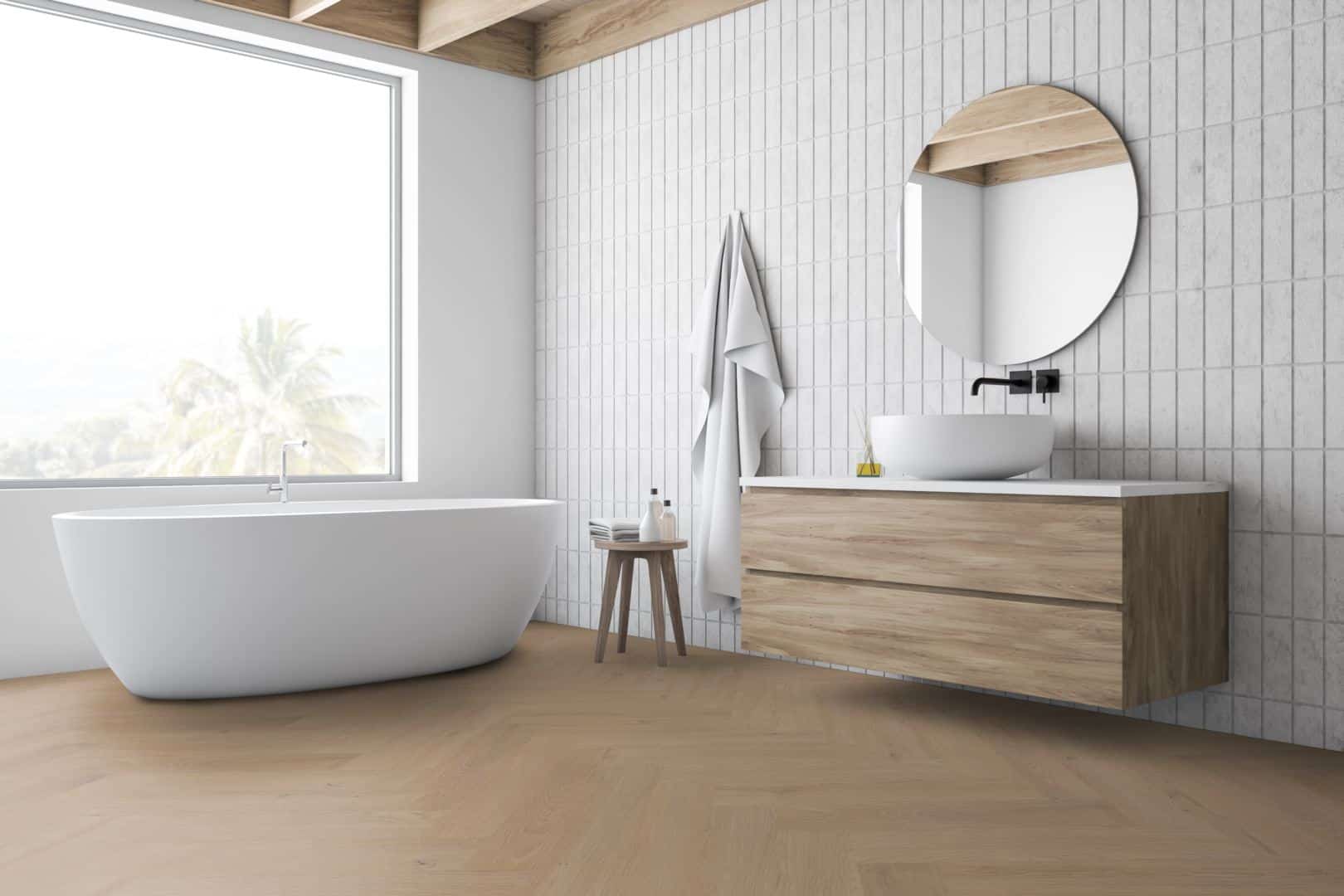
Chevron
A floor chevron is a distinctive flooring pattern characterised by a series of V-shaped, continuous lines that meet at a central point. The chevron design is achieved by arranging individual flooring elements, such as wood planks, at an angle to create the distinctive “V” shape, resulting in a visually striking and timeless geometric pattern on the floor.
Click System
Click system flooring, also known as “click-lock” or “floating” flooring, is a type of installation method for various floor materials, such as laminate, luxury vinyl, or engineered hardwood. It features interlocking grooves and tongues on the edges of the flooring planks or tiles, allowing them to be easily and securely connected without the need for adhesives.
Crowning
Crowning refers to a condition in wood flooring where individual strips or planks have a higher centre than the edges, creating a slight upward arch along their length. Crowning can occur due to changes in the environment, for instance excess moisture, and may require repair to restore the flooring’s flat and even surface.
Cupping
Cupping is a term used in wood flooring to describe the concave or dished appearance of individual strips or planks, where the edges are raised above the centre. This is the opposite of “crowning,” where the centre is higher than the edges. Cupping is typically caused by moisture-related issues, such as excessive humidity or water damage, and may require repair to restore the floor’s flat and even surface.
Damp-proof course
A flooring damp-proof course, often abbreviated as DPC, is a waterproofing barrier or membrane installed within the construction of a building’s floor to prevent moisture and water vapour from rising up and affecting the flooring material. This protective layer helps to maintain the integrity of the flooring and prevents potential damage caused by dampness or excessive moisture.
Damp Proof Membrane
A Damp Proof Membrane or DPM, also referred to as Damp-Proof Course or DPC, is a horizontal barrier installed within a wall to block moisture from rising through the structure. This protective membrane prevents the detrimental effects of excess moisture, ensuring the integrity and longevity of the building’s structure.
Distressed
Distressed flooring refers to a floor that undergoes a deliberate process to achieve a lived-in appearance. This involves employing various techniques to create surface damage, dents, scratches, and imperfections on the edges and face of the boards. Afterward, the boards are finished with oil to soften these defects and produce the look of a well-worn floor.
Durability
Durability refers to the capacity of a wood species or finish to withstand various conditions it encounters without undergoing significant changes in its appearance. A durable wood or finish can endure exposure to wear, impact, moisture, or other environmental factors without losing its original visual appeal or structural integrity.
Engineered Flooring
Engineered flooring is a type of wood flooring composed of multiple layers. It typically consists of a solid hardwood top layer, known as the wear layer, bonded to several layers of high-quality plywood or composite material underneath. This construction enhances the flooring’s stability and resistance to moisture, making it a versatile and durable choice for interior spaces.
End Joint
A flooring end joint refers to the point where two individual flooring pieces meet at the ends, forming a connection in the installation. This joint is crucial for maintaining the integrity of the flooring surface and ensuring a secure, seamless fit between adjacent planks of flooring.
Expansion Gap
A flooring expansion gap is a deliberate space left around the perimeter of a room during the installation of a floor. This gap acts as an expansion zone to accommodate natural movements of the flooring material due to changes in temperature and humidity. The extension gap ensures that the floor can expand and contract without being hindered by adjacent walls or fixed structures, helping to prevent issues like buckling or warping. Baseboards or other trim pieces are often used to conceal the gap, providing a neat and finished appearance to the flooring installation.
Eased Edge
An eased edge in flooring is when the edges of the individual pieces are cut at a slight angle of around 45 degrees. It creates a smooth and subtle groove between the pieces, giving a polished look without a deep indentation like beveled edge flooring.
Feature Strip
A feature strip is a strip of wood used at thresholds, to border a room, or as an accent in flooring. It’s usually made of wood with a different colour or species of wood, providing a contrasting and decorative element to enhance the overall look of the floor.
Filler
Floor filler, also known as wood filler or floor putty, is a substance used to fill gaps, cracks, or imperfections in a flooring surface, such as hardwood, laminate, or engineered wood. It is typically a blend of wood particles, binders, and pigments, designed to match the colour and texture of the surrounding flooring. Floor filler is applied to create a smooth and even surface, improving the appearance of the floor and preventing debris, dust, or moisture from accumulating in the gaps.
Finish
Floor finish, also known as floor sealer or floor coating, refers to a protective material applied to the surface of a flooring material, such as hardwood, laminate, or concrete, to enhance its appearance, durability, and performance. Floor finishes come in various types, including oil-based, water-based, and polyurethane-based formulas. They create a protective layer that guards the floor against wear, scratches, stains, and moisture, while also providing a desired finish for an interior space.
Floating Floor
A floating floor is a type of flooring that is not glued or nailed down to the subfloor. Instead, the floor pieces are connected to each other and rest on top of a cushioning material. This installation method allows for easy assembly and gives the floor some flexibility to expand and contract with changes in temperature and humidity. It is commonly used for laminate, engineered wood, or luxury vinyl flooring.
Gloss
Floor gloss refers to the level of shine or reflective quality on the surface of a flooring material, such as hardwood or laminate flooring. It is determined by the type and amount of finishing product applied to the floor, such as floor wax, polyurethane, or other coatings. A high gloss finish provides a shiny and reflective surface, while a low gloss or matte finish offers a more subdued and natural appearance.
Grade
Floor grade refers to the quality of wood flooring. Floor grade is determined by how it looks and how well it can handle wear and tear. Higher grades have fewer flaws and are better for visible areas. Lower grades have more imperfections and are good for less noticeable or rustic areas. The grade you choose depends on how you want it to look and how much foot traffic it will get.
Grain
Floor grain is the pattern you see on the surface of wood flooring. It’s the lines and texture of the wood that give the floor its look and character. The grain can be straight, curly, wavy, or knotty, offering different styles and flooring options.
Hand Scraped
Hand scraped is a technique used to create an uneven surface on wood floors, imitating the natural wear and foot traffic marks of an aged floor. This process gives the flooring a vintage and rustic appearance, adding character and charm to an interior space.
Hardness
Flooring hardness refers to the measure of a flooring material’s resistance to wear, dents, and scratches. It indicates how well the floor can withstand foot traffic and other impacts without showing signs of damage or wear. Higher hardness levels indicate greater durability and suitability for high-traffic areas, while lower hardness levels may be better suited for less busy spaces.
Herringbone
Herringbone flooring is a type of wood flooring pattern characterised by a distinctive arrangement of rectangular planks of flooring. The planks are laid in a zigzag pattern, with each piece perpendicular to the one next to it, resembling the bones of a herring fish. This pattern creates a visually striking and timeless design, adding elegance and sophistication to the floor. Herringbone flooring is a popular choice for both traditional and modern interior settings.
HDF
High-Density Fibreboard or HDF, is an engineered wood product similar to particleboard. However, it is denser, stronger, and harder due to its construction from compressed wood fibres that have been exploded and then tightly packed together. This makes HDF a durable and robust material used in various applications, such as furniture, flooring, and cabinetry.
Humidity
Flooring humidity refers to the amount of moisture present in the air within the environment where the flooring is installed. Humidity levels can fluctuate based on factors such as weather conditions, ventilation, and indoor activities. Excessively high humidity can lead to swelling and expansion of certain types of flooring materials, while very low humidity can cause shrinkage and gapping. Maintaining a stable and suitable humidity level is essential to prevent damage and ensure the longevity of the flooring.
Knots
Knots are natural imperfections found in wood flooring, typically circular in shape. They are formed by the base of branches that were part of the tree’s growth. Knots can add character and unique appearance to flooring.
Lacquered Finish
A lacquered finish is a type of surface coating applied to wood flooring for protection and shine. It is usually made from a resin-based material that forms a hard and durable layer on the floor’s surface, enhancing its appearance and providing added resistance to wear and stains.
Laminate Flooring
Laminate flooring is an affordable and versatile synthetic flooring material. It consists of multiple layers, including a high-resolution image layer that replicates the appearance of real wood or stone. The layers are bonded together under high pressure to create a strong and durable floor.
MDF
Medium-Density Fibreboard, most commonly referred to as MDF, is an engineered wood product made from compressed wood fibres, resin, and wax. It has a smooth and uniform texture, making it a popular choice for sub-flooring or as a core material in laminate flooring.
Moisture Content
Moisture content refers to the amount of water present in wood flooring. The moisture content affects the stability and performance of the floor, as excessive moisture can lead to expansion and warping, while low moisture can cause shrinkage and cracking.
Nosing
Nosing is a rounded edge or moulding used to finish the exposed edge of a stair or step. It provides a smooth and safe transition between the vertical riser and the horizontal tread of the staircase.
Oiled Finish
An oiled finish is a surface treatment applied to wood flooring using natural oils. The oil penetrates the wood, enhancing its natural beauty and providing a soft sheen. Oiled finishes may require occasional reapplication to maintain their protective properties.
Overlay
An overlay is a thin layer of wood used to cover or resurface existing flooring. It is an economical way to refresh the look of a floor without removing the original surface.
Parquet Flooring
Parquet flooring is a decorative flooring pattern composed of small wood pieces arranged in geometrical designs, such as herringbone, chevron, or basket weave. It adds an elegant and unique touch to the floor’s appearance.
Plank
A plank is a long and narrow piece of wood used in flooring. Planks are typically larger and wider than standard flooring strips, giving a more spacious and contemporary look to the floor.
Plywood
Plywood is a sheet material made from thin layers of wood veneers glued together with alternating grain directions. It is a strong and stable material commonly used as a subfloor or underlayment for various flooring types.
Polyurethane
Polyurethane is a popular floor finish that provides excellent durability and protection. It forms a tough and wear-resistant layer on the floor, safeguarding it from scratches, stains, and other damage.
Prefinished
Pre-finished flooring is flooring that is finished and coated with protective layers before installation. This means it does not require additional finishing work after installation, making the process quicker and more convenient.
Random Length
Random length flooring refers to flooring pieces with varying lengths, creating a more natural appearance. This type of installation creates a visually appealing and dynamic floor design.
Reclaimed Wood
Reclaimed wood is wood that has been salvaged and reused from old structures, such as barns, factories, or warehouses, for use in flooring. It adds a unique and rustic charm to the floor whilst also promoting sustainable practices.
Raised Grain
Raised grain refers to a wood surface that has been sanded to bring out the natural texture of the wood. This process enhances the wood’s appearance, emphasising its grain pattern and giving the floor a distinct and tactile feel.
Rustic Grade
Rustic grade flooring is a lower grade of wood flooring that may have more natural imperfections, such as knots, colour variations, and mineral streaks. It offers a more relaxed and casual appearance, perfect for creating a cosy and welcoming space.
Sanded & Filled
Sanded and filled wood flooring has been sanded smooth and filled to create a seamless surface. The filling material helps conceal any cracks or gaps, resulting in a polished and even look.
Sapwood
Sapwood is the lighter-coloured outer portion of a tree’s growth ring. It may have a different colour or grain pattern than the heartwood, which is the darker inner portion. Sapwood is sometimes present in wood flooring and can add visual interest to a space.
Scotia
Scotia is a concave moulding used to cover gaps between the flooring and skirting boards. It provides a finished and aesthetically pleasing transition between the floor and the wall.
Screed
A screed is a level layer of concrete or cement used as a subfloor for installing flooring. It provides a stable and even base for laying the flooring material.
Secret Nailing
Secret nailing is a method of fastening flooring where nails are concealed within the tongue and groove of the floor planks. This technique gives the floor a clean and seamless appearance.
Skirting Board
Skirting boards, also known as baseboards, are boards used to cover the joint between the floor and the wall. They protect the wall from scuffs and offer a finished look to the flooring installation.
Spacers
Spacers are small wedges used to maintain consistent gaps between flooring pieces during installation. These gaps allow for natural expansion and contraction of the wood.
Square Edge
Square edge flooring planks have straight, sharp edges, creating a clean and modern appearance when installed together.
Softwoods
Softwoods are wood from coniferous trees, such as pine, fir, or cedar. They are commonly used for flooring and other construction purposes.
Solid Wood Flooring
Solid wood flooring is made from a single piece of solid wood, providing a classic and durable option for flooring. It can be sanded and refinished multiple times, making it a long-lasting choice.
Solid Engineered
Solid engineered flooring has a thick top layer of solid wood bonded to several layers of plywood or high-density fibreboard. This construction enhances the stability and durability of the flooring.
Staining
Staining refers to the process of applying colour to wood flooring to change or enhance its appearance. Stains can be used to match the floor to the overall decor or achieve a specific colour preference.
Strip Flooring
Strip flooring is made of narrow and long strips of wood, typically narrower than plank flooring. Strip flooring creates a traditional and elegant look for an interior space.
Subfloor
The subfloor is the base layer beneath the visible flooring. It provides support and stability for the flooring material and acts as a barrier against moisture and drafts.
Threshold
A threshold is a transition piece of flooring used to cover the joint between two different flooring surfaces, such as from one room to another or from inside to outside.
Tapping Block
A tapping block is a tool used to tap flooring pieces together during installation. It helps ensure a tight fit between the floor planks without damaging the edges.
Tongue & Groove
Tongue and groove is an interlocking system used to join flooring planks together. The tongue on one plank fits into the groove of another, creating a secure and seamless connection.
Trim
Trim refers to the moulding or edging used to finish and protect the edges of the flooring. It can be used around doorways, walls, and other interior areas to create a polished and refined appearance to a space.
Underlay
Underlay is a layer of cushioning material placed between the subfloor and the visible flooring surface. It provides additional support, insulation, and sound absorption, enhancing the overall comfort and performance of the flooring.
Unfinished
Unfinished flooring refers to flooring materials that have not been treated with any surface coatings or finishes before installation. It allows for customisation and finishing on-site, providing the opportunity to achieve a specific look or to match existing decor.
UV Finish
A UV finish is a type of floor coating that is cured with ultraviolet light. This process accelerates the drying time, creating a durable and protective layer on the floor’s surface. UV finishes are known for their quick application and excellent resistance to scratches and wear.
V-Joint/V-Groove
V-joint or V-groove refers to a beveled edge or groove found in flooring, creating a visual separation between adjacent planks. It adds depth and definition to the flooring pattern, accentuating each plank’s individual shape.
Vapour Barrier
A vapour barrier is a material used to prevent moisture from penetrating the flooring. It is typically installed over the subfloor before laying the flooring material, helping to protect the floor from potential water damage or excessive moisture.
Varnish
Varnish is a clear or tinted coating applied to the surface of wood flooring to protect and enhance its appearance. It creates a glossy or satin finish, providing resistance to wear, scratches, and stains.
Veneer
Veneer is a thin layer of real wood, typically sliced or peeled from a log, used to cover the surface of engineered wood or plywood flooring. It gives the flooring the appearance of solid wood while utilising fewer resources.
Warping
Warping refers to the distortion or bending of wood flooring caused by moisture imbalance or uneven drying. It can result in the flooring becoming uneven and may require repair to restore its flatness.
Wear Layer
The wear layer is the top surface of engineered wood flooring. It is made of solid wood and is responsible for withstanding foot traffic and general wear and tear, providing long-lasting durability to the flooring.
Wide-board
Wide-board flooring refers to planks that are wider than standard-size flooring planks. Wide-board floors offer a more spacious and open feel, showcasing the natural grain and appearance of the wood.
Wood Stain
Wood stain is a colouring product applied to wood flooring to change or enhance its colour while still allowing the natural grain to show through. Wood stain comes in various colour options meaning it is a really versatile options that can suit different design preferences.
White Washed
White-washed flooring is achieved by applying a semi-transparent white stain or paint to the surface of the wood. This process gives the floor a light and washed-out appearance, giving a bright and airy feel to the space.
External Door Terms
Casing
The trim molding that surrounds the outside of the door frame, covering any gaps between the frame and the wall.
Deadbolt
A type of locking mechanism that has a solid metal bolt that goes into the door jamb or strike plate to provide additional security when the external door is closed.
Hinge
A mechanical device that allows the door to swing open and closed, typically made of two plates joined by a pin or rod.
Insulation
The material used to improve the thermal efficiency of external doors, reducing energy loss from a property.
Jamb
The vertical parts of an external door frame on either side of the door opening, against which the door closes.
Kickplate
A metal or plastic plate attached to the lower part of the exterior side of an external door, protecting it from damage caused by footfall of people coming in and out of a property.
Latch
A mechanism used to secure the door keeping it closed, a latch is typically operated by a handle or knob on the interior side of the door with a key or thumb turn lock on the exterior side.
Panel
The individual sections of a door, these may be flat or raised and can vary in design and material.
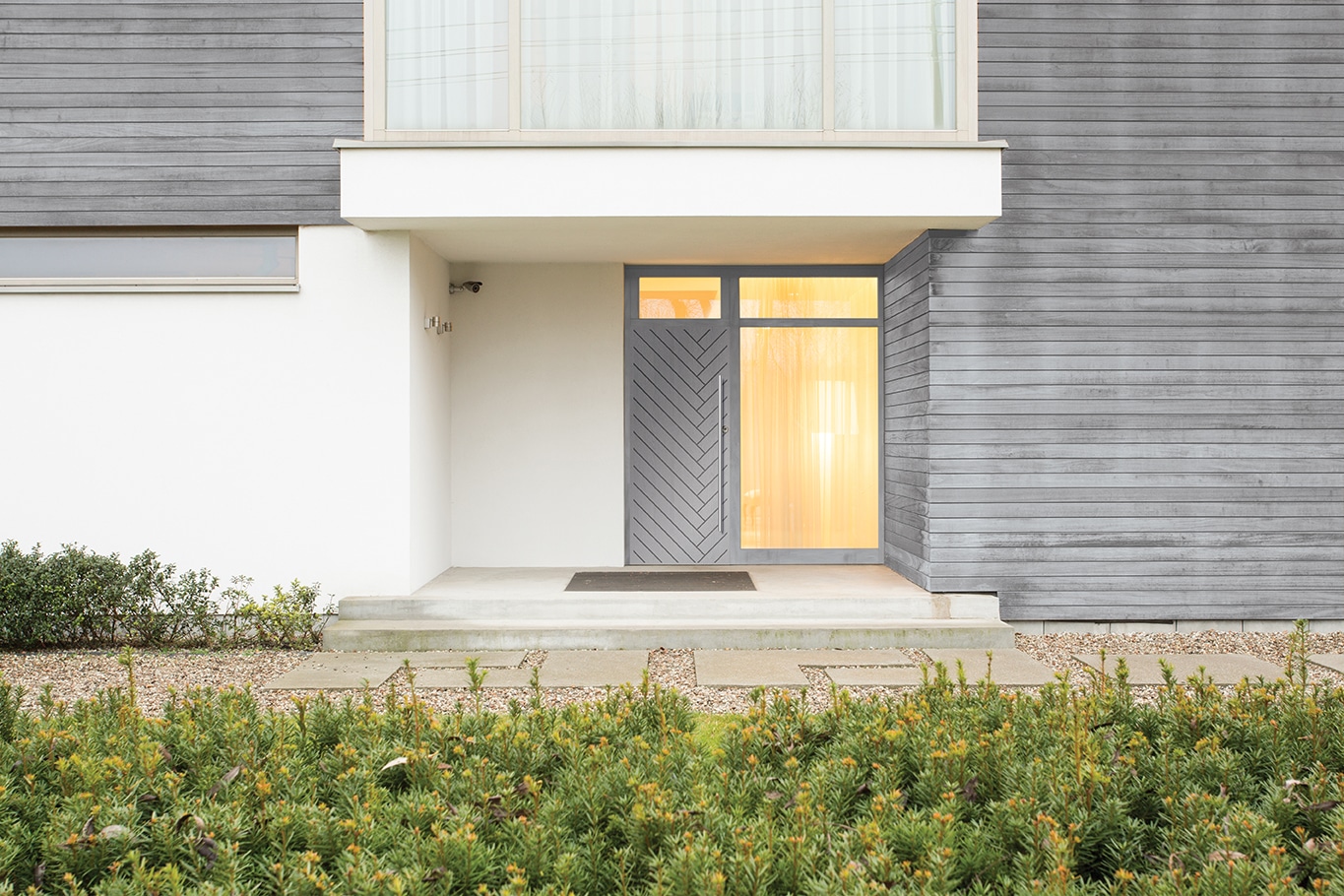
Sidelight
A narrow vertical window beside an external door, used to increase natural light within a property entrance.
Sill
The horizontal section of an external door frame that rests beneath the threshold, often made of wood, metal, or stone, providing support to the door and weather resistance.
Strike Plate
A metal plate fixed to the door jamb or frame, into which the deadbolt of the locking mechanism fits when the door is closed.
Threshold
The bottom part of an external door frame, typically made of wood, metal, or other durable materials, which forms the entrance and provides a weatherproof seal.
Transom
A horizontal bar separating an external door from a window above it, which often includes decorative glass panels.
Weatherproofing
Different techniques and materials used to protectand maintain external doors from the elements, including sealing gaps and applying protective coatings.
Weatherstripping
The material used to seal gaps around external doors and windows to prevent air leaks, moisture penetration, and energy loss.

Wall Panelling
Battens
Known as strips of wood used to cover joints or seams between each wall panel.
Beadboard
A type of paneling created using narrow wood planks with a beaded groove between each plank.
Chair Rail
A horizontal molding that runs along the wall, usually at the height of a dining room chair back, used for decoration and to help protect a wall.
Flat Panel
A panel that is fitted flush with the surrounding frame, without any raised sections.
Inset Paneling
Paneling that is set into a recessed portion of a wall.
Molding
Known as a decorative trim or edging added to the outside of wall panelling to add further decoration.
Overlay Paneling
Paneling that is fitted directly over an existing wall surface, rather than being included within the wall structure. This type of panelling is one of the most common types of wall panelling used due to its easy fitting.
Panel
An individual piece of material usually wood, MDF, PVC or another material that forms a part of wall panelling.
Rail
The horizontal framing section of a panel.
Raised Panel
A panel that is raised above the surrounding frame, which often has decorative detailing or molding.
Stile
The vertical framing part of a panel.
Tongue and Groove
A type of joint where the “tongue” on one panel fits into a groove on the adjacent panel, creating a connection betweeen the two sections.
V-Groove
A type of wall paneling where V-shaped grooves are cut into the surface of the panel, adding more decoration to the wall panelling design.
Wainscoting
A type of paneling applied to the lower part of a wall, this is typically below the height of a dining room chair.


